

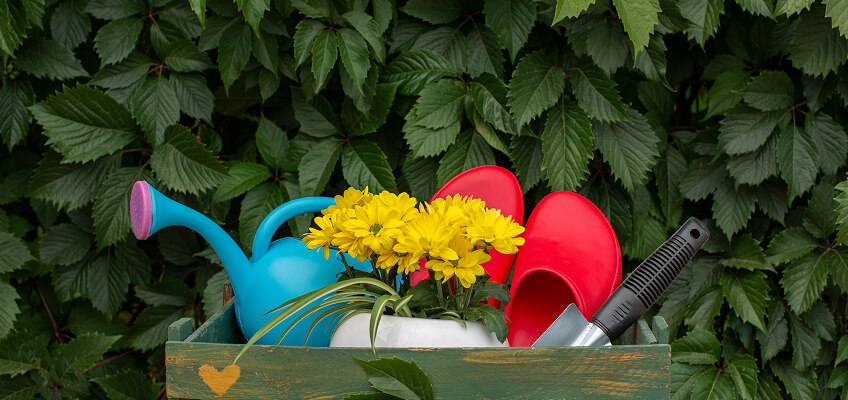
Full Guide to Planting Marigolds
Marigolds are one of the easiest flowers to grow from seed, and that is exactly why gardeners come back to them every year. They sprout fast, handle heat well, and bring steady color to beds, borders, and containers through the season.
We come up with a guide that covers all your questions about growing Marigolds, from how to plant Marigold seeds to companion planting. So, let’s dive in.
When to Plant Marigold Seeds
Right timing means success. Firstly, check your local weather forecast to find out the last frost date and soil temperature. Cold soil means slow germination.
If you prefer direct sowing outdoors, you need to wait until the danger of frost has passed and the soil temperature reaches about 65–70°F. That usually happens a week or two after the last expected frost.
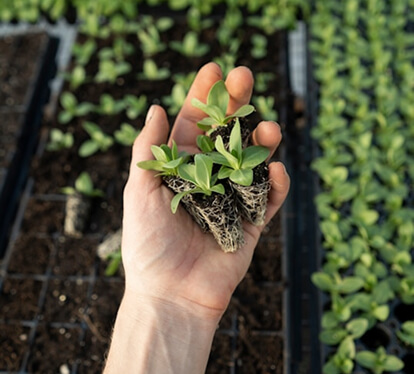
Gardeners who want earlier blooms often start marigold seeds indoors about 6-8 weeks before the last expected frost. When temperatures stabilize, marigold seedlings should be transplanted outside.
Best Location to Plant Marigold Seeds
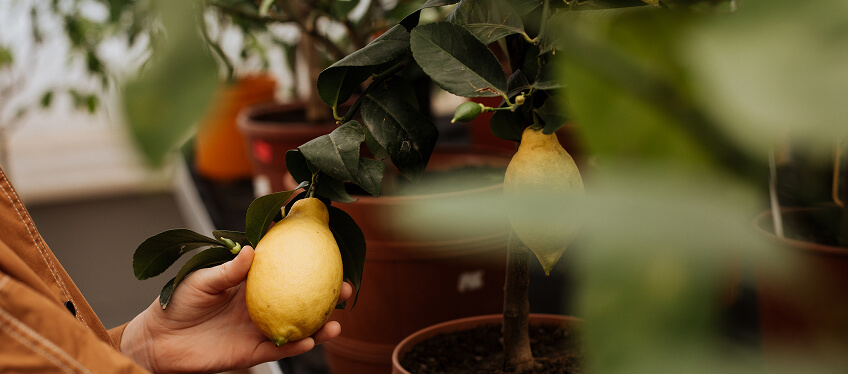
Marigolds grow well in pots, baskets, window boxes, or containers provided they are placed in full sun. They love sunshine, well-draining soil, and warmer climates, although you can certainly grow healthy plants in cooler climates, too.
For the best flowering, marigolds require at least 6–8 hours of direct light each day. Shaded spots make plants leggy with fewer flowers.
Good air circulation matters as well. When plants are spaced too closely, moisture lingers around the foliage, which can encourage mildew and other fungal problems. Give marigolds enough room, and they will grow stronger, healthier, and fuller.
Soil Preparation
Marigolds aren’t picky about soil. For seed trays, use light, airy seed-starting mix rather than garden soil, which is usually too dense for young roots. In garden beds, loosen the soil, remove rocks, and break up compacted areas so roots can grow down easily. Good drainage is especially important, since marigolds perform best in soil that does not stay wet for long.
If the soil is well-prepared, no extra fertilizer is needed. In poor soil use a high-potassium fertilizer or one made for flowering plants can help support blooming. Keep in mind that overly rich soil can lead to more leafy growth and fewer flowers.
How to Plant Marigold Flowers
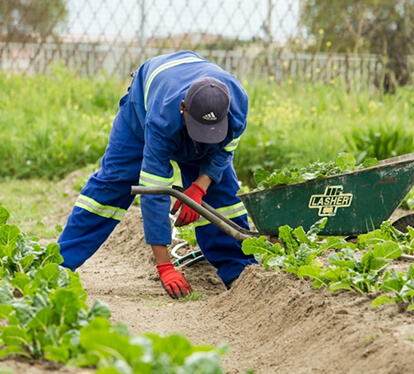
Direct sowing marigold seeds is much simpler, even if you are a beginner at gardening. For the best results, wait until at least a week after the last frost date in your area, when the soil has started to warm. Marigold seeds should be covered only lightly, with about 1/4 inch of soil. If planted too deeply, they may struggle to sprout properly
After sowing, water gently to keep the soil evenly moist but not soggy. Seeds usually germinate from 5 to 10 days. Once the seedlings reach about 2 inches tall, thin them to the proper spacing so each plant has enough room to grow well and produce plenty of flowers.
Care of Marigold After Planting
Despite being self-sufficient, a few small steps keep them blooming all summer long.
- Watering
Water at the base of the plant. Let the top 1 inch of soil dry out completely before watering again. If you have marigolds in pots, remember they dry out much faster than the ground. - Sun
Marigolds need at least 6 hours of direct sunlight per day. - Feeding
They are “low feeders.” Usually, a little compost during planting is all they ever need. - Pinching
When the plant is young, pinch off the very first buds – it forces the plant to branch out. - Deadheading
Once a bloom fades, snip it off just above the next leaf joint.
By following these guidelines, you’ll ensure a successful and flavorful harvest from your garden!
Companion Planting with Marigolds
Marigolds are often used in companion planting. Gardeners place them between vegetables because the plants release compounds from their roots that help suppress certain soil pests.
French marigolds are commonly planted around vegetable garden beds to reduce nematodes. They pair especially well with tomatoes, peppers, cucumbers, beans, and basil.
Marigolds also work nicely in flower beds, where they can be combined with zinnias, salvias, cosmos, and other warm-season bloomers. Together they attract pollinators and other beneficial insects.
Buy Quality Marigold Seeds at KVITER
Marigolds earn their place quickly. They sprout fast, handle heat well, and keep blooming for months. At KVITER, we offer flower seeds for gardeners who want stunning performance in real conditions. We offer:
- High germination rate: We focus on viable seed lots with strong germination rates. That means more seedlings per packet and fewer empty rows in your garden arrangement.
- Practical guide: We explain when to sow, how to keep soil moist during seed sprouting, and what to expect in the first year and later seasons.
- Free shipping: Buy flower seeds at KVITER and get free shipping on every order over $49.


Frequently Asked Questions About Planting Marigold Seeds
Can you scatter marigold seeds?
Yes. Marigold seeds can be scattered across garden beds and lightly pressed into the soil. After that, cover them with a thin ¼-inch layer of soil and water gently. Just remember to thin seedlings later.
What month do you plant marigold seeds?
The best time to sow Marigolds outdoors is late spring after the last frost date. If starting indoors, sow the seeds 6-8 weeks before the last expected frost so seedlings are ready to transplant when the weather becomes warmer.
Which side of the marigold seed goes down?
Actually, it doesn’t matter. The seed will usually find its way as it sprouts. If you want to place it more carefully, lay the seed horizontally or set the pointed end slightly downward, then cover it lightly with soil.